November 15, 2026
Proper ventilation is essential for maintaining comfortable, healthy, and productive commercial environments. Offices, retail spaces, and warehouses each have unique airflow requirements, but all depend on effective heating, ventilation, and air conditioning (HVAC) systems to maintain indoor air quality.
Without adequate ventilation, indoor pollutants, excess moisture, and uncomfortable temperatures can affect employees, customers, and daily operations. Working with local commercial HVAC contractors can help businesses maintain reliable ventilation and create healthier indoor environments.
Improving Indoor Air Quality for Employees and Customers
Indoor air quality plays an important role in the comfort and well-being of people who spend time inside commercial buildings. Offices, retail spaces, and warehouses can accumulate airborne contaminants, including dust, pollen, cleaning product residues, and other particles. Without sufficient ventilation, these pollutants may remain indoors and circulate throughout the building.
A properly designed ventilation system helps introduce fresh outdoor air while removing stale indoor air. This exchange can reduce the concentration of airborne contaminants and help maintain a healthier environment. Regular filtration and appropriate airflow also support better indoor air quality by capturing particles before they circulate through occupied areas.
For offices, improved air quality can make workspaces more comfortable for employees who spend extended periods indoors. Retail businesses benefit from maintaining a pleasant environment for shoppers and staff, while warehouses need adequate ventilation to address dust, equipment emissions, and other potential airborne contaminants.
Local commercial HVAC contractors can evaluate existing ventilation systems, identify airflow concerns, and recommend appropriate improvements based on the building's layout and occupancy.
Maintaining Comfortable Indoor Temperatures
Temperature control is another important reason to prioritize commercial ventilation. Different areas of a building may experience varying heating and cooling demands depending on their size, occupancy, equipment, and daily activities. Poor airflow can contribute to hot and cold spots, making certain areas uncomfortable even when the HVAC system is operating.
In office environments, uneven temperatures can make it difficult for employees to remain comfortable throughout the workday. Retail spaces must maintain consistent conditions to create a welcoming shopping experience, while warehouses may require specialized airflow strategies to accommodate large open areas and varying ceiling heights.
Proper ventilation helps distribute conditioned air throughout a building, supporting more consistent indoor temperatures. Businesses should consider factors such as:
- Building Layout: Walls, partitions, shelving, and equipment can interfere with airflow, creating areas with limited circulation.
- Occupancy Levels: Spaces with higher employee, customer, or visitor counts may require additional ventilation to maintain comfortable conditions.
- Equipment Heat: Computers, machinery, lighting, and other equipment can raise indoor temperatures and increase cooling demand.
- Seasonal Changes: Outdoor temperatures and humidity levels influence how commercial HVAC systems should operate throughout the year.
Local commercial HVAC contractors can assess these conditions and help businesses determine whether their existing ventilation systems provide adequate air distribution.
Reducing Excess Moisture and Preventing Building Damage
Humidity control is an important part of maintaining a healthy commercial building. Excess indoor moisture can contribute to condensation, musty odors, and conditions that encourage mold and mildew growth. Over time, persistent moisture problems may also damage building materials, furnishings, inventory, and equipment.
Offices can experience humidity problems when ventilation is inadequate, or HVAC equipment does not properly manage indoor moisture. Retail spaces may encounter similar concerns in storage areas, restrooms, and other locations with limited airflow. Warehouses can face additional challenges because of their large footprints, varying temperatures, and stored materials.
Effective ventilation helps manage indoor moisture by supporting appropriate air exchange and circulation. However, ventilation alone may not resolve every humidity problem. Businesses may also need properly sized air conditioning equipment, humidity controls, or other HVAC adjustments to address the underlying cause.
Routine inspections can help identify problems before they lead to more extensive damage. Local commercial HVAC contractors can evaluate ventilation performance and determine whether the system is adequately supporting the building's moisture-control needs.
Supporting Productivity and Daily Business Operations
The indoor environment can influence how comfortably employees perform their daily responsibilities. Poor air quality, uncomfortable temperatures, and inadequate circulation may contribute to distractions and discomfort. Maintaining appropriate ventilation helps create conditions that allow employees to focus on their work. Experienced local commercial HVAC contractors can help businesses address airflow concerns and maintain indoor conditions that support employee comfort and productivity.
In office settings, consistent airflow and comfortable temperatures support a more pleasant workspace. Employees who work in retail environments also benefit from adequate ventilation, particularly during busy periods when customer traffic increases. In warehouses, proper air circulation can help maintain more comfortable working conditions for employees performing physical tasks.
Ventilation also supports business operations by helping manage heat and airborne particles produced by certain equipment and activities. Depending on the facility, inadequate airflow may affect stored products, machinery, and other valuable assets.
Business owners should pay attention to warning signs that their ventilation systems may not be performing effectively, including:
- Persistent stuffiness or stale indoor odors.
- Noticeable temperature differences between rooms or work areas.
- Excessive indoor humidity or recurring condensation.
- Dust accumulation around vents and other airflow components.
- Complaints about uncomfortable indoor conditions.
Addressing these concerns promptly can help prevent ongoing disruptions and support a more productive commercial environment.
Extending HVAC Equipment Life Through Proper Maintenance
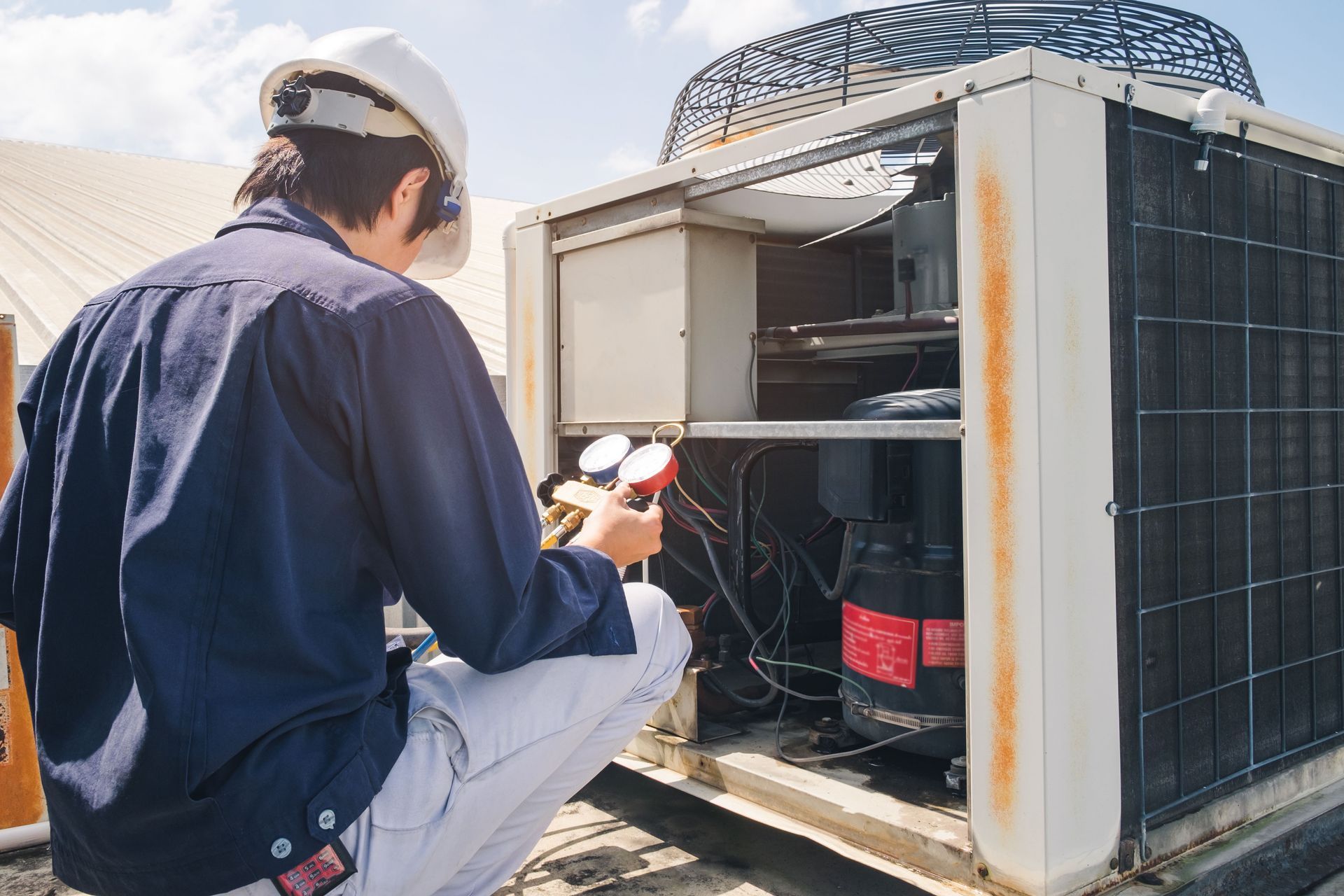
Commercial ventilation systems depend on multiple components working together to maintain appropriate airflow. Filters, fans, ductwork, vents, and other equipment require regular attention to continue operating effectively. When components become dirty, damaged, or obstructed, the system may have to work harder to circulate air throughout the building.
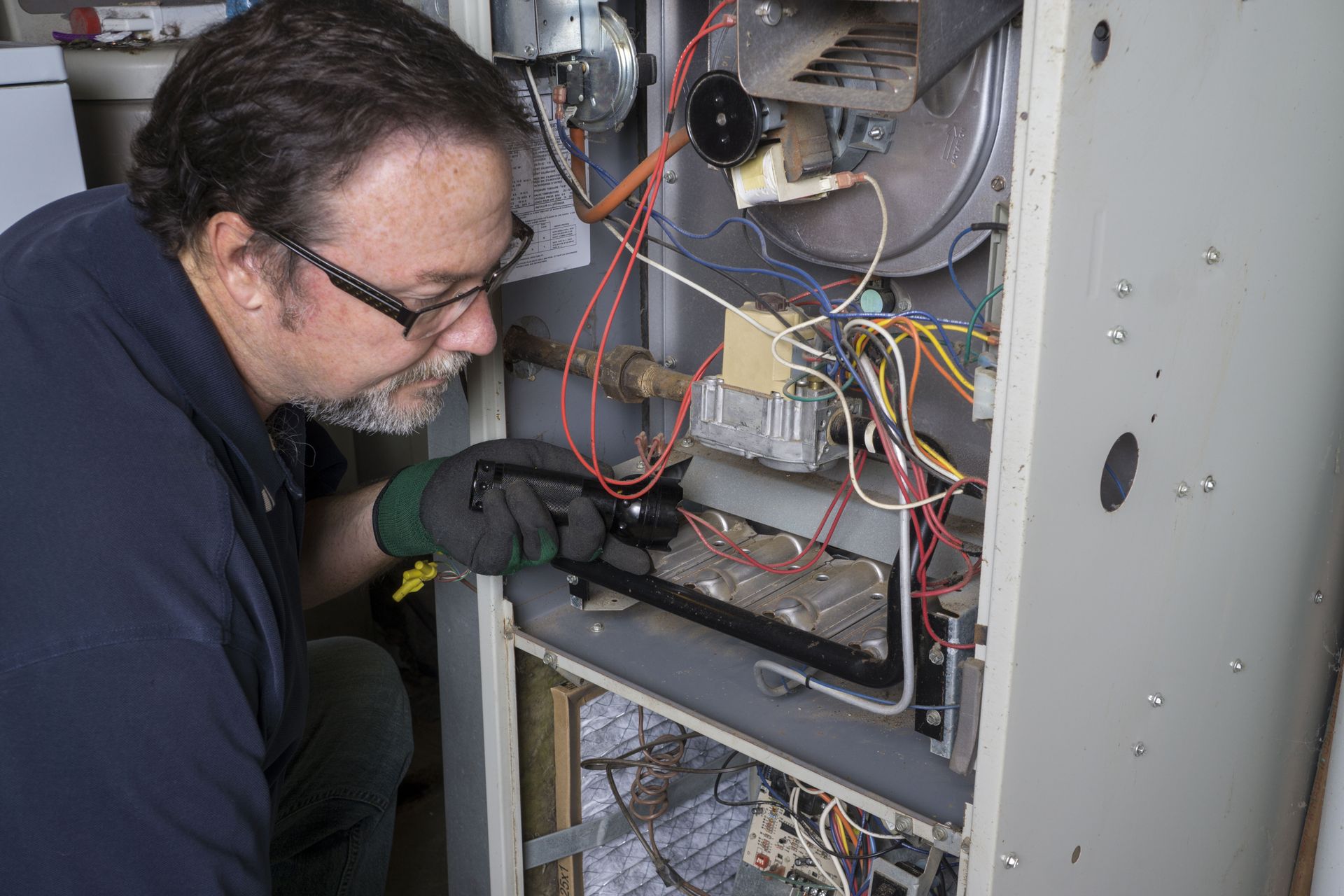
Routine maintenance helps identify these issues before they cause unnecessary strain on equipment. Replacing filters, inspecting accessible ductwork, checking airflow, and evaluating system performance can support more reliable operation. Proper maintenance can also help businesses identify developing mechanical problems before they require more extensive repairs.
According to This Old House, HVAC systems typically last between 15 and 20 years with proper maintenance. This highlights the importance of maintaining commercial heating and cooling equipment rather than waiting for noticeable performance problems to develop.
Local commercial HVAC contractors can help businesses establish maintenance schedules based on their equipment, building requirements, and operating conditions. Consistent professional attention supports ventilation performance while helping commercial property owners protect their HVAC investments.
Choosing Professional Commercial HVAC Support
Every commercial property has different ventilation requirements. An office building with multiple enclosed workspaces has different airflow considerations than a retail store with frequent customer traffic or a warehouse with expansive open areas. Selecting appropriate HVAC solutions requires an understanding of the building's size, layout, occupancy, and operational demands.
Professional contractors can evaluate existing equipment, identify ventilation deficiencies, and recommend improvements that align with the property's needs. They can also help business owners understand whether their systems require maintenance, repairs, or adjustments to improve airflow and overall performance.
When evaluating local commercial HVAC contractors, businesses should consider experience with commercial HVAC equipment, knowledge of ventilation requirements, and the ability to provide services appropriate for their facilities. Clear communication and consistent professional support can also make it easier to address concerns as building needs change.
Working with an experienced commercial HVAC provider helps businesses make informed decisions about indoor air quality, temperature control, and equipment performance.
Protecting Commercial Spaces With Reliable Ventilation
Proper ventilation is an important investment in the comfort, safety, and functionality of offices, retail spaces, and warehouses. Effective airflow helps improve indoor air quality, regulate temperatures, manage humidity, and support daily business operations. Regular HVAC maintenance also helps preserve equipment performance and reduce the likelihood of preventable problems.
Because every commercial building has unique requirements, businesses should not overlook the importance of professional ventilation evaluations and ongoing system care. Contact AEM Mechanical Services to discuss your commercial HVAC needs and maintain a comfortable, properly ventilated business environment.